
As the winter months approach in West London, preparing your home for freezing temperatures, torrential rain, and snow is likely at the top of your to-do list. While most homeowners remember to check their boilers and clear out their gutters, garden electrics are frequently overlooked. External power points are incredibly convenient for running garden tools, charging electric vehicles, or setting up festive lighting displays, but they are also highly vulnerable to seasonal weather. Ensuring your external fittings are genuinely weatherproof is vital for preventing unexpected power cuts and serious electrical hazards when the British weather takes a turn for the worse.
Understanding the True Weatherproofing Rating of Outdoor Power Points
A standard internal plug socket relies on a completely dry environment to function without risking an electrical short circuit. Outdoor fittings, on the other hand, must feature specialized enclosures designed to keep moisture completely away from live components. When determining if your setup can handle a harsh winter, you need to verify its Ingress Protection rating, commonly known as an IP rating. For reliable year-round outdoor use in the UK, a socket should ideally carry a minimum rating of IP66. The first digit signifies total protection against dust, while the second digit indicates that the enclosure can withstand powerful jets of water from any direction. If your current garden socket features a flimsy plastic cover or shows signs of cracking, it simply will not offer the robust defense required against persistent winter downpours and driving sleet.
Recognizing the Hidden Warning Signs of Moisture Ingress and Damage
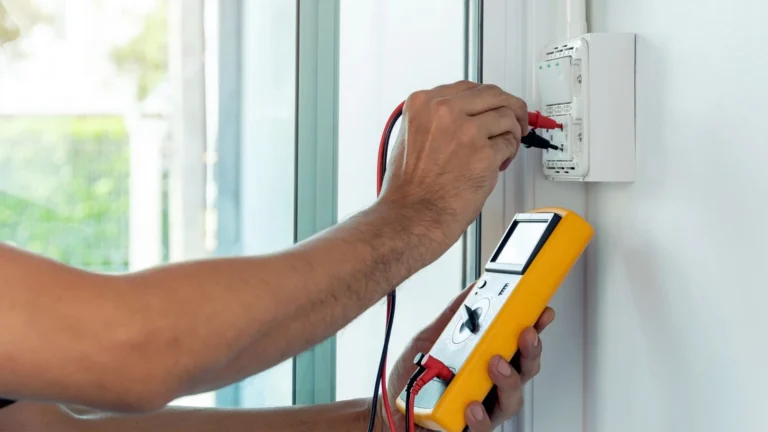
Water and electricity are a perilous combination, and even a microscopic amount of dampness inside an external enclosure can trigger significant issues. The most immediate symptom of an unsafe outdoor socket is a frequently tripping Residual Current Device at your main consumer unit. If your indoor electricity suddenly shuts off when you plug something in outside, moisture has likely bridged the gap between live components and the earth connection. It is also wise to visually inspect the physical casing for any signs of discolouration, scorch marks, or brittle plastic that may have degraded due to UV exposure during the summer. Gaskets and rubber seals must be perfectly intact to create a tight barrier against rain, so any visible degradation means the unit is no longer safe for winter operation.
Safeguarding Your External Home Electrics Ahead of the Frost
Protecting your property involves ensuring that any appliance plugged into an external point is also thoroughly rated for outdoor application. Leaving a standard indoor extension lead exposed on a damp patio is exceptionally dangerous and can compromise your entire domestic network. Additionally, any external circuitry must be backed by a modern, fully functional RCD to ensure the power cuts out instantly in the event of a fault. If you are uncertain about the safety, integrity, or compliance of your garden electrics, arranging a professional electrician Essex assessment before the freezing weather sets in is the most reliable way to secure peace of mind for your household.
Arrange Your Outdoor Electrical Safety Check with Electrician West London
Do not wait for a winter storm to find out that your garden power points are unsafe. Our team of fully qualified, NAPIT-certified local engineers is ready to inspect, upgrade, or install weatherproof external sockets to keep your home fully compliant with modern UK wiring regulations. Contact Electrician West London today by calling our local team or completing our online enquiry form to schedule your domestic safety visit.